Project Information

Full project title: Sustainable Aquaculture Wastewater Treatment: Integrated Approach to Promote Water-Energy Conservation and Food Security by Minimizing the Environmental Footprint (SusiAquaTech)

Start date: 01 October 2025

End date: 30 September 2028

Funding: Hellenic Foundation for Research and Innovation (HFRI)

Coordinated by: University of Patras

Scope

The SusiAquaTech project aims to achieve a major scientific breakthrough by using innovative Αdvanced Oxidation Processes (AOPs) to address environmental challenges while supporting sustainable seafood production. In the aquaculture industry, the project can offer a powerful new tool for disinfection, taste and odor (T&O) control, and the complete degradation of toxic residues. By applying clean and environmentally friendly technologies, SusiAquaTech can enhance economic efficiency, improve waste management, and contribute to the protection of global environment and human well-being.
Project Implementation Plan

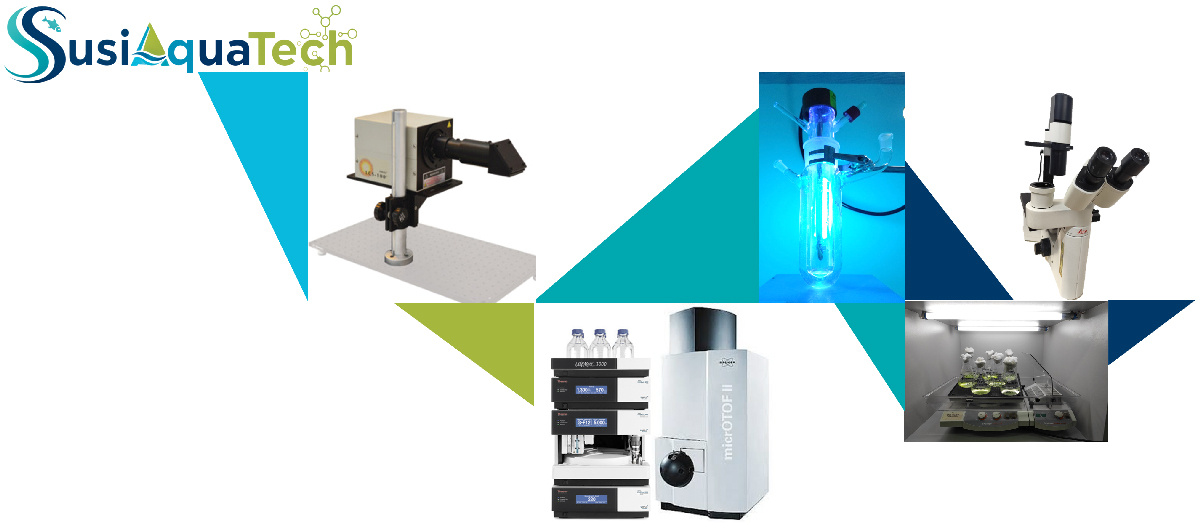
For achieving the scientific goals and delivering high-quality results, the proposed project includes 6 distinct Work Packages (WPs) that are interconnected and will be developed over 3 years (36 months). WPs will be led by the Principal Investigator (PI), ensuring the achievement of “SusiAquaTech’’ objectives within the predefined time-period.
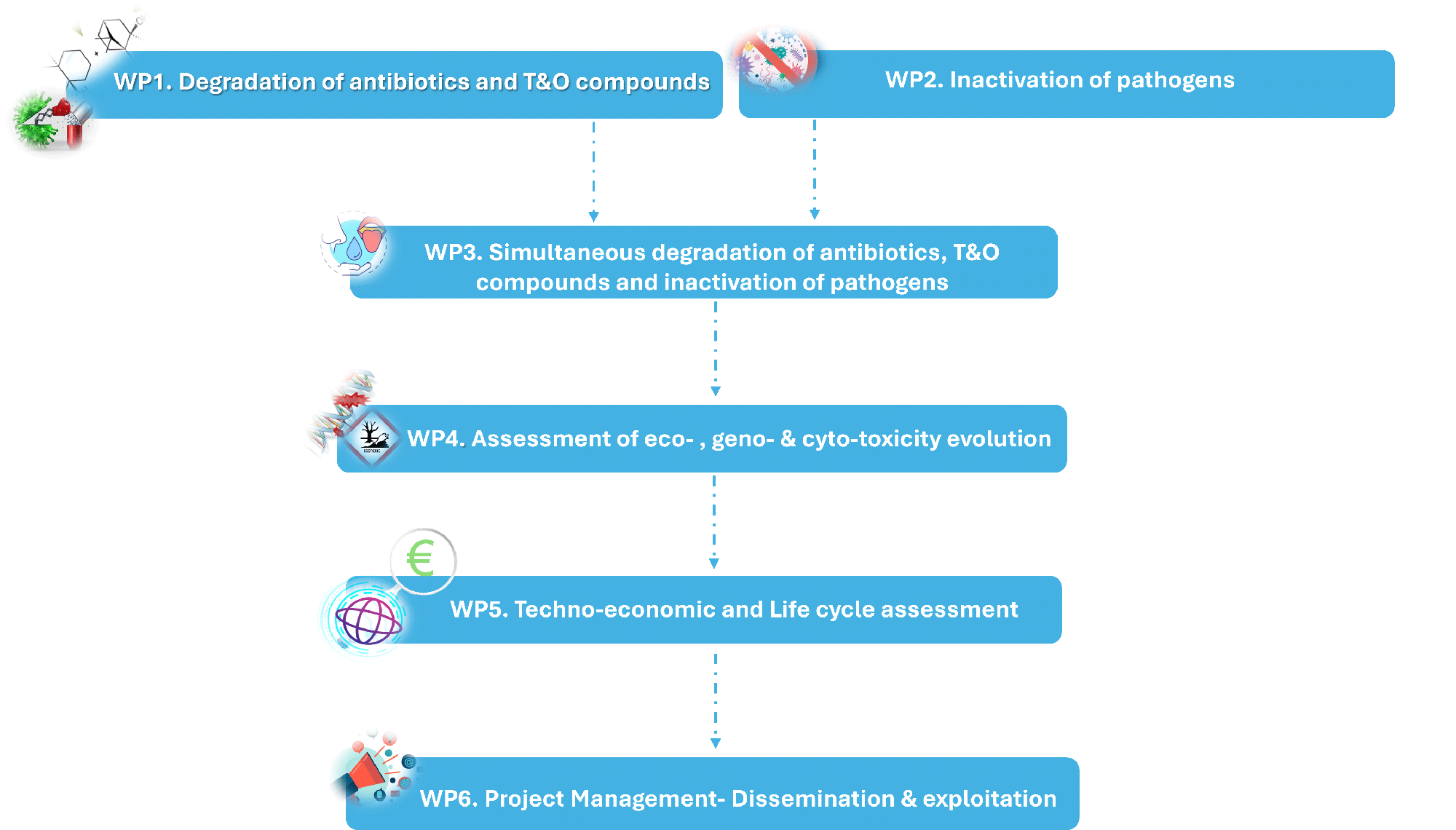
Structure of “SusiAquaTech’’ project

Work Packages and Objectives

Objectives:

  • Evaluation of the efficiency of AOPs for the degradation of antibiotics in different aqueous matrices (e.g. sea/fresh-water, real wastewater)
  • Assessment of the effects of treated effluents on the bacterial communities
  • Evaluation of the efficiency of AOPs for the degradation of T&O compounds in different aqueous matrices (e.g. sea/fresh-water, real wastewater)
  • Assessment of organoleptic properties (odor) of treated samples

Objectives:

  • Evaluation of the efficiency of AOPs for pathogens inactivation in different aqueous matrices (e.g. sea/fresh-water, real wastewater)

Objectives:

  • Evaluation of the efficiency of AOPs for the simultaneous degradation of antibiotics, T&O compounds, and pathogens inactivation in different aqueous matrices (e.g. sea/fresh-water, real wastewater)

Objectives:

  • Evaluation of toxic, cytotoxic, and genotoxic activities of the effluents on microalgae (Chlorococcum sp, and Tisochrysis Lutea), bacteria Aliivibrio fischeri, fish (Danio rerio) and human lymphocytes.

Objectives:

  • Perform a techno-economic analysis.
  • Conduct the life cycle impact assessment of the AOPs.

Objectives:

  • Comprehensive management and effective coordination of the proposed WPs and Tasks to ensure that all expected objectives are achieved within the work program time and the highest possible scientific standards are maintained throughout the project.
  • Efficient communication and exchange of information within the research team
  • Dissemination of the results

Impact: Advancing Science, Economy, and Society
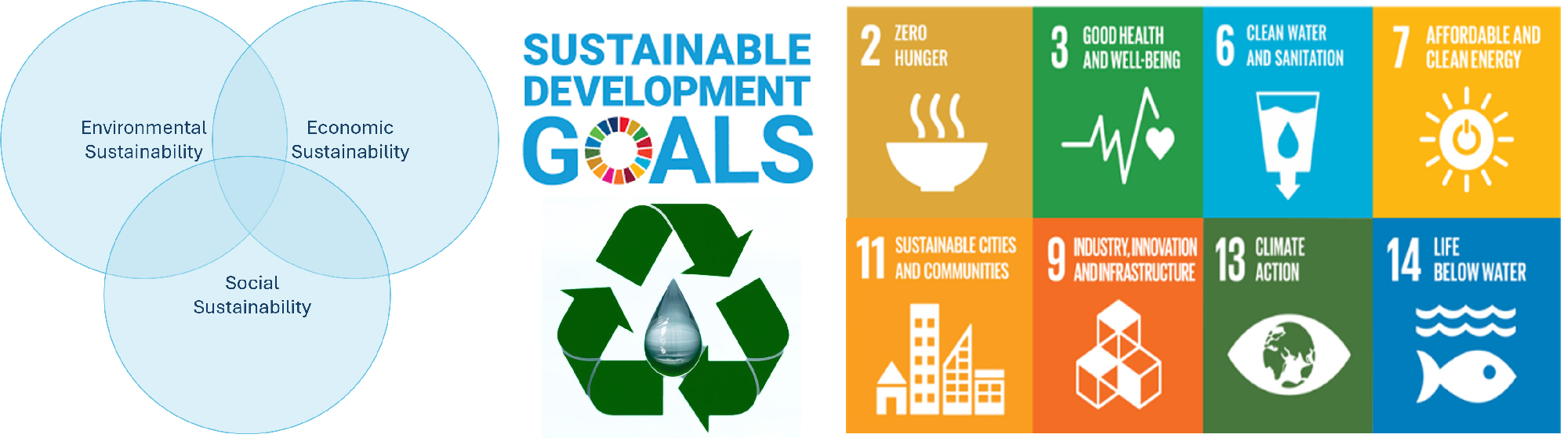
Scientific and Technological Impact

The SusiAquaTech project will advance knowledge in sustainable aquaculture wastewater treatment, assessing AOPs for safe reuse or discharge. It will bridge multiple disciplines, fostering innovation in chemical analysis, environmental chemistry, toxicology, ecology, and engineering. The project will generate at least six high-impact publications and conference presentations. This work will set a new benchmark for integrating green technologies into aquaculture systems globally.

Economic Impact

SusiAquaTech offers cost-effective wastewater treatment solutions using renewable resources, enabling high-quality water reuse and reducing odor-related losses in aquaculture. It could save over USD 8 million annually by eliminating traditional depuration needs. Sustainable aquaculture will boost exports, create jobs, and enhance local economies, especially in tourism-dependent regions. The project promotes practical methods for balancing profitability with environmental stewardship.

Social Impact

The project aims to protect ecosystems, save water, ensure food security, and improve quality of life while safeguarding future generations. It promotes the One Health approach by ensuring safe water for people, animals, and ecosystems. Knowledge transfer will raise awareness among stakeholders, fostering cooperation toward sustainable aquaculture. Public engagement will integrate innovative wastewater treatment into policy and practice, benefiting society broadly.